

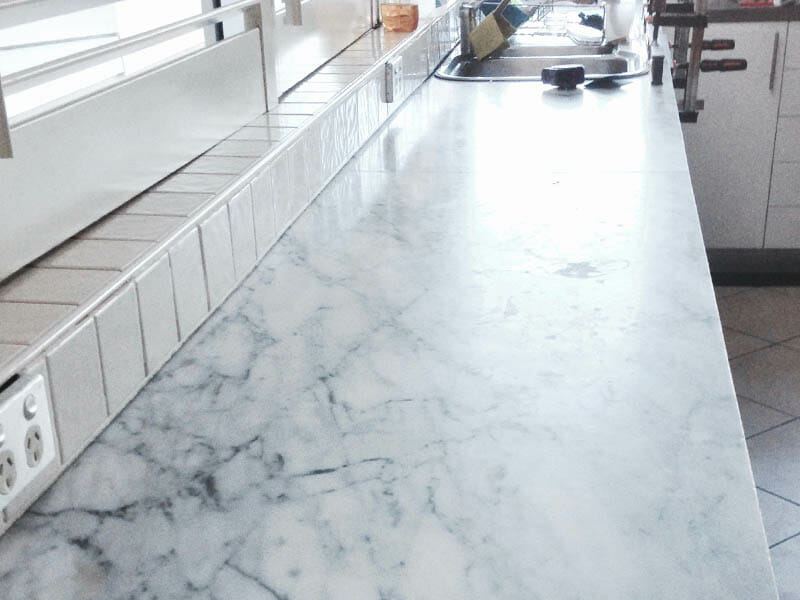
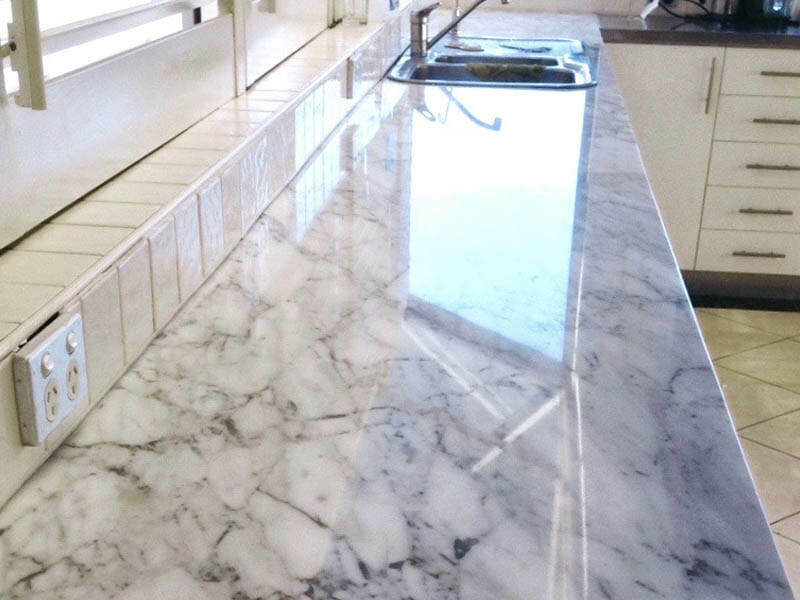
Are your marble and stone benchtops, floors, showers and furniture stained and dull?
The Marble Man specialises in polishing and honing marble, limestone, travertine, onyx and other natural stone surfaces. We also restore Caesarstone, Essastone, Quantum Quartz, Silestone, Smartstone and HanStone.
Our trained technicians understand stone. They use processes perfected over many years to remove scratches, dull and dirty patches, stains and etching.
Professional polishing and honing will leave your stone benchtops, floors, showers, furniture and outdoor pavers looking like new.
Read more….
EMAIL OR CALL US NOW! 1300 627 626
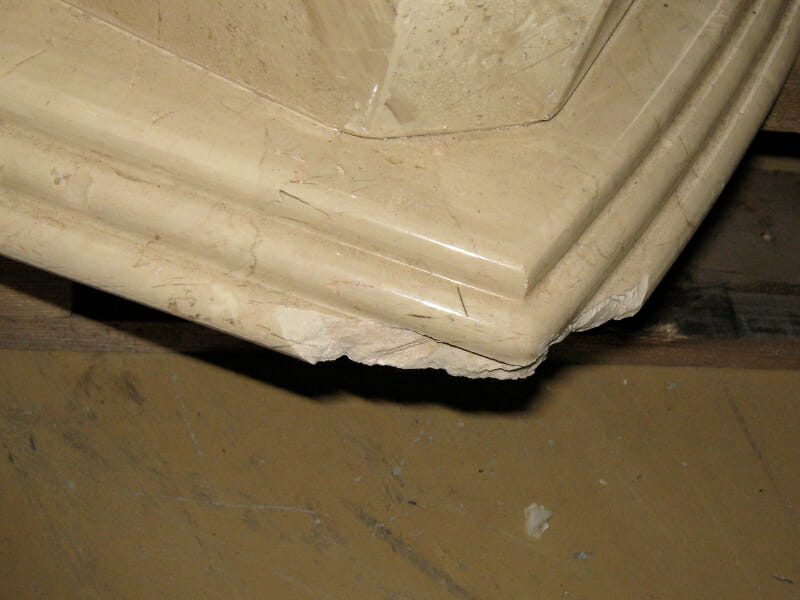
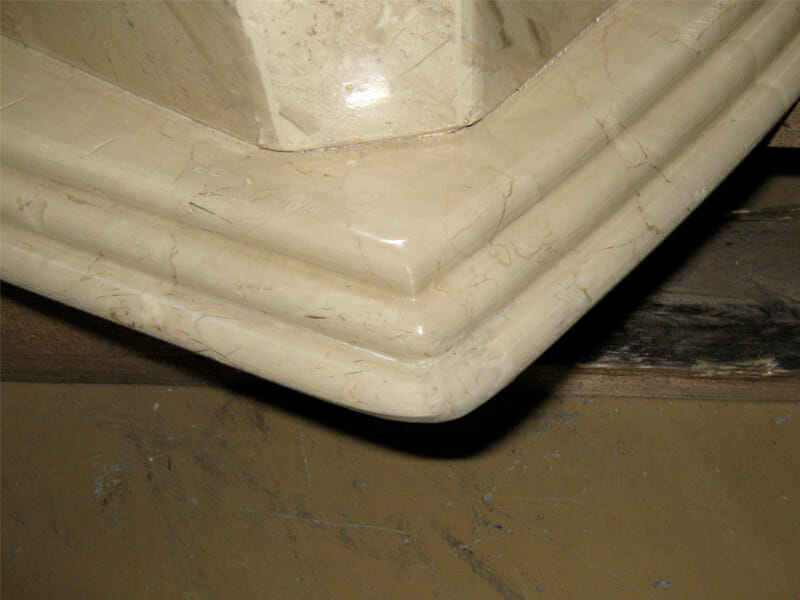
Are your marble and stone kitchen and bathroom tiles chipped, cracked and stained?
Using advanced stone repair technology The Marble Man can fill gaps, cracks and chips in all natural and engineered stone benchtops and tiles. We can also repair and reinforce separated joints.
Our technicians are experienced at colour matching the repair material to the stone surface to achieve the best result possible. We specialise in filling chips in caesarstone benchtops.
We can also restore stained stone benchtops, vanities, floors, walls, stairs and furniture which will extend the life of your stone so you can avoid replacement.
Read more….
EMAIL OR CALL US NOW! 1300 627 626
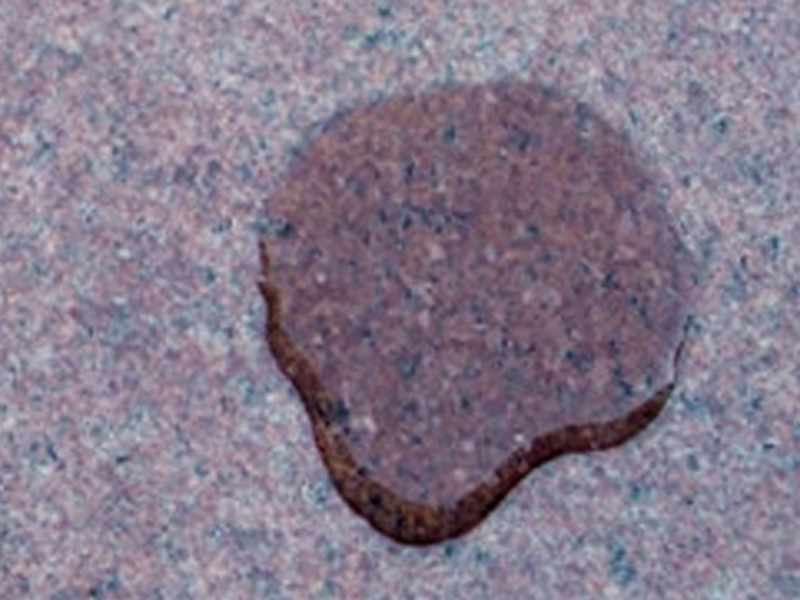
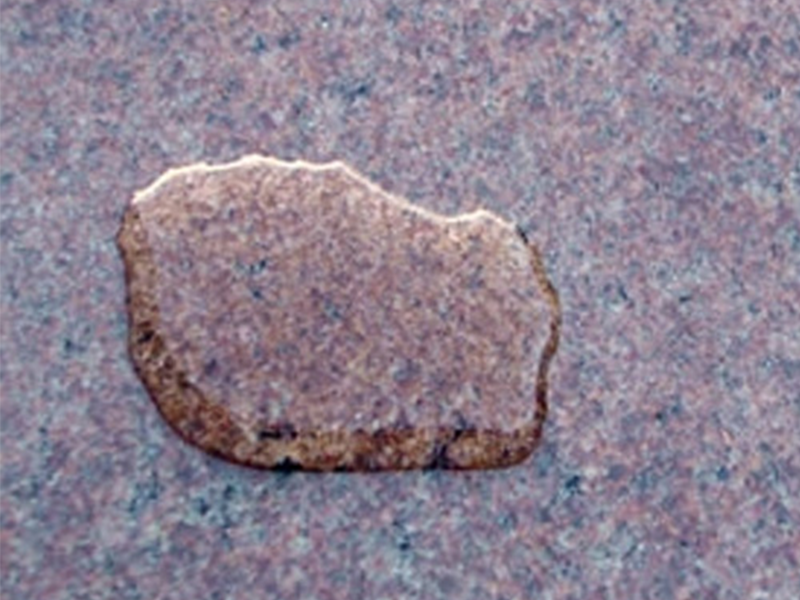
Do your marble and stone benchtops, floors and showers need stain protection?
The Marble Man can seal stone surfaces to reduce staining. We can also apply a protective film called Tuffskin to marble, limestone, travertine and onyx benchtops, vanities and tables to prevent staining and etching.
Choose a penetrating sealer to suit your desired result. A standard penetrating sealer will not change the colour of the stone, an enhancing sealer will deepen the colour and a ‘wet look’ sealer will give the stone a shiny appearance.
Sealing all of your natural stone surfaces is recommended.
Read more…
EMAIL OR CALL US NOW! 1300 627 626
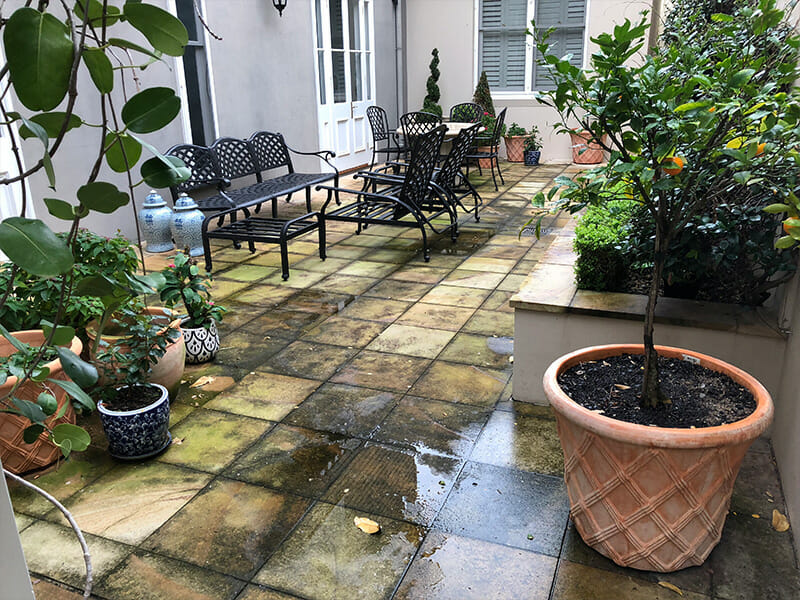
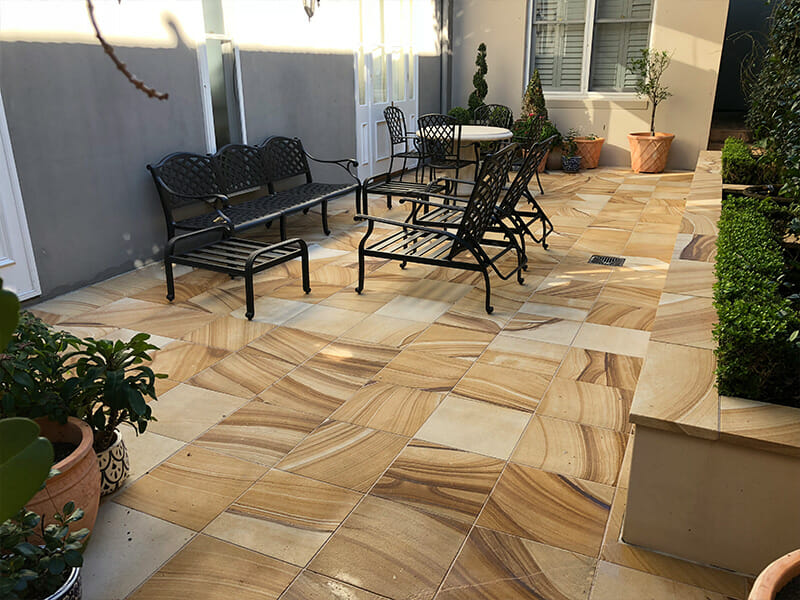
Are your outdoor pavers and pool surrounds looking stained, dirty and mouldy?
The Marble Man can hone your sandstone, limestone or travertine outdoor pavers to remove built up dirt and damage from constant exposure to sun, wind, rain, pollution and chemicals.
Professional honing of your outdoor stone pool surrounds, entertaining areas and driveways will dramatically enhance the look of your home or commercial premises.
Our technicians are highly skilled in outdoor stone restoration and use only the best products and equipment to bring your stone back to life.
Read more…
EMAIL OR CALL US NOW! 1300 627 626
FAMILY OWNED BUSINESS
The Marble Man is a family owned business with over 30 years experience in restoring natural marble and stone, and engineered stone surfaces to their natural looking best. We are the largest, professional stone restoration company in Australia and have the capacity to restore any size project from residential homes to commercial buildings and Super Yachts.
PROFESSIONAL AND HIGHLY SKILLED TEAM
Our professional and highly skilled technicians use the latest technology, equipment and products to polish, repair, seal, and clean marble and stone floors, walls, benchtops, vanities, showers, furniture, pool surrounds and other surfaces. We restore bathrooms, kitchens, living rooms, outdoor areas in apartments and homes, foyers, multiple rooms and function areas in hotels and multi-level commercial offices.
EXPERTISE GAINED OVER 30 YEARS
The Marble Man has the expertise, gained over 29 years, to revive your marble, granite, travertine, terrazzo, onyx, quartzite, limestone, sandstone and other natural stone surfaces, as well as engineered stones such as Caesarstone, Essastone, Quantum Quartz, Silestone, Smartstone and HanStone.
17 VEHICLES AND 25 TEAM MEMBERS
The Marble Man fleet of 17 vehicles and 23 team members services South East Queensland, NSW and ACT from the Sunshine Coast to Brisbane to Coolangatta on the Gold Coast, west to Toowoomba, south to Tweed Heads, Bryon Bay, Ballina, Sydney and Canberra. We will also travel on request depending on the scale of the project and have completed restorations as far as Papua New Guinea.
PROFESSIONAL 5 STAR CUSTOMER SERVICE
Our team strives to provide each and every customer with professional, 5 star service from enquiry to the completion of the job. We remain at the forefront of stone restoration in Australia because of our commitment to our customers and the industry.
RECOMMENDED STONE CARE PRODUCTS
For safe and effective maintenance we also offer a range of high quality, professional grade stone care products, to keep your stone looking and feeling like ‘NEW’.